Fault containment
A faulted circuit must be isolated quickly while the remaining network retains the intended level of service continuity.

Application guide
Medium- and low-voltage equipment for substations, feeder distribution, metering and urban network reinforcement.
Review recommended products
Application overview
Utility distribution systems must isolate a fault without unnecessarily interrupting healthy feeders. Equipment selection therefore starts with the network voltage, fault level, feeder arrangement, protection philosophy, operating sequence and maintenance access. Minglang supports this work with primary MV switchgear, outdoor distribution cabinets and metering enclosures that can be configured against approved project documents.
Typical electrical challenges
A faulted circuit must be isolated quickly while the remaining network retains the intended level of service continuity.
Interlocking, compartment access and maintenance procedures must reflect the operator's switching rules and available working space.
Relay, circuit-breaker and upstream protection settings need a common discrimination basis across incomers, bus sections and outgoing feeders.
Feeder additions, metering changes and urban reinforcement should be anticipated in the lineup, cabling and spare-way plan.
Equipment selection considerations
Start with the single-line diagram, load schedule, fault study, site conditions and control philosophy. These inputs determine ratings, construction and interfaces.
Define rated voltage, normal current, short-circuit level, earthing method and required service continuity before choosing the switchgear platform.
Review bus sectioning, transfer arrangements, local and remote control, interlocks and the required isolation points.
Cable entry, termination space, current transformers, voltage transformers and revenue or operational metering must be coordinated early.
Access clearances, withdrawal routes, environmental exposure and the utility's inspection practices influence enclosure and arrangement choices.
Recommended Minglang products
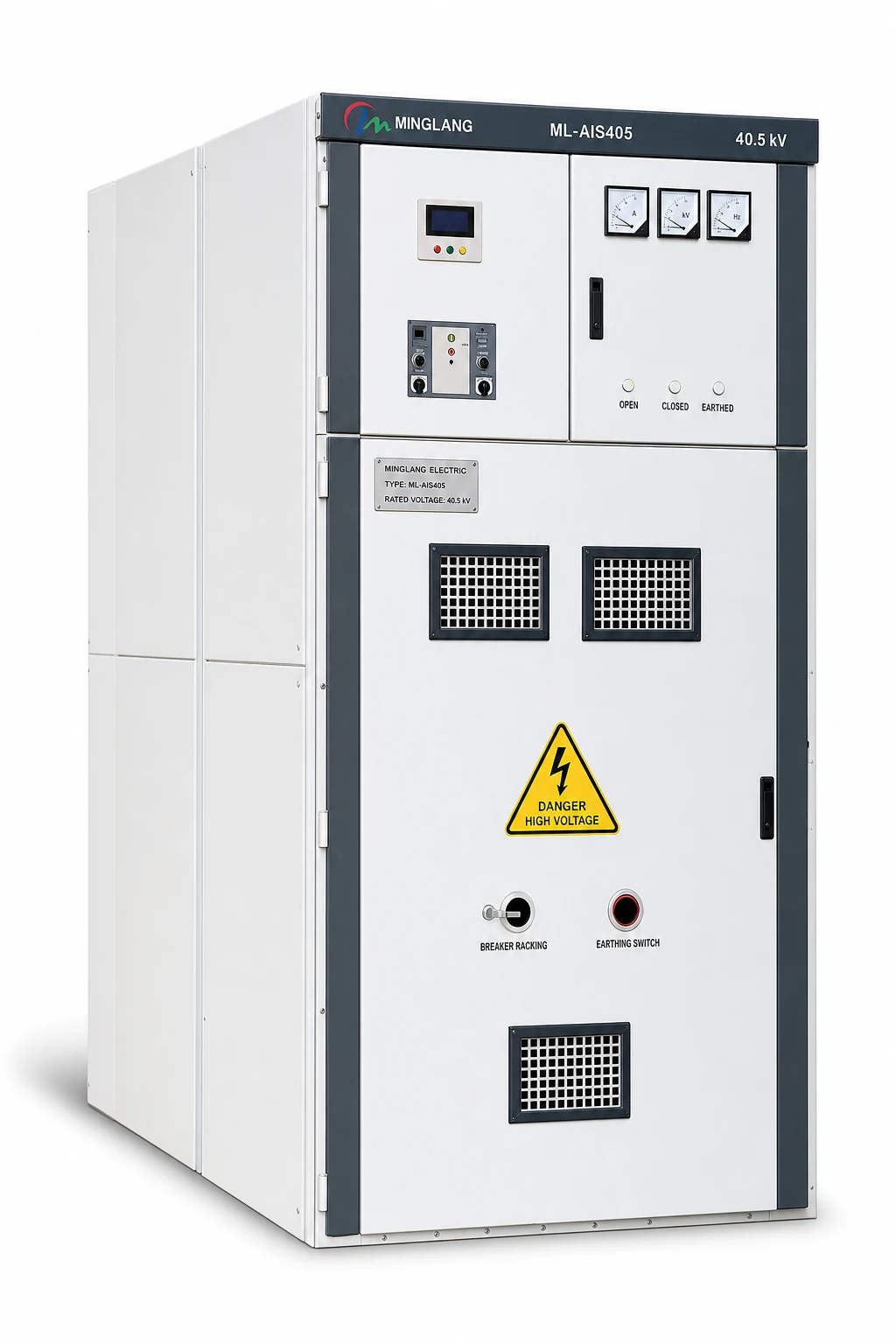
Primary distribution switchgear
View product →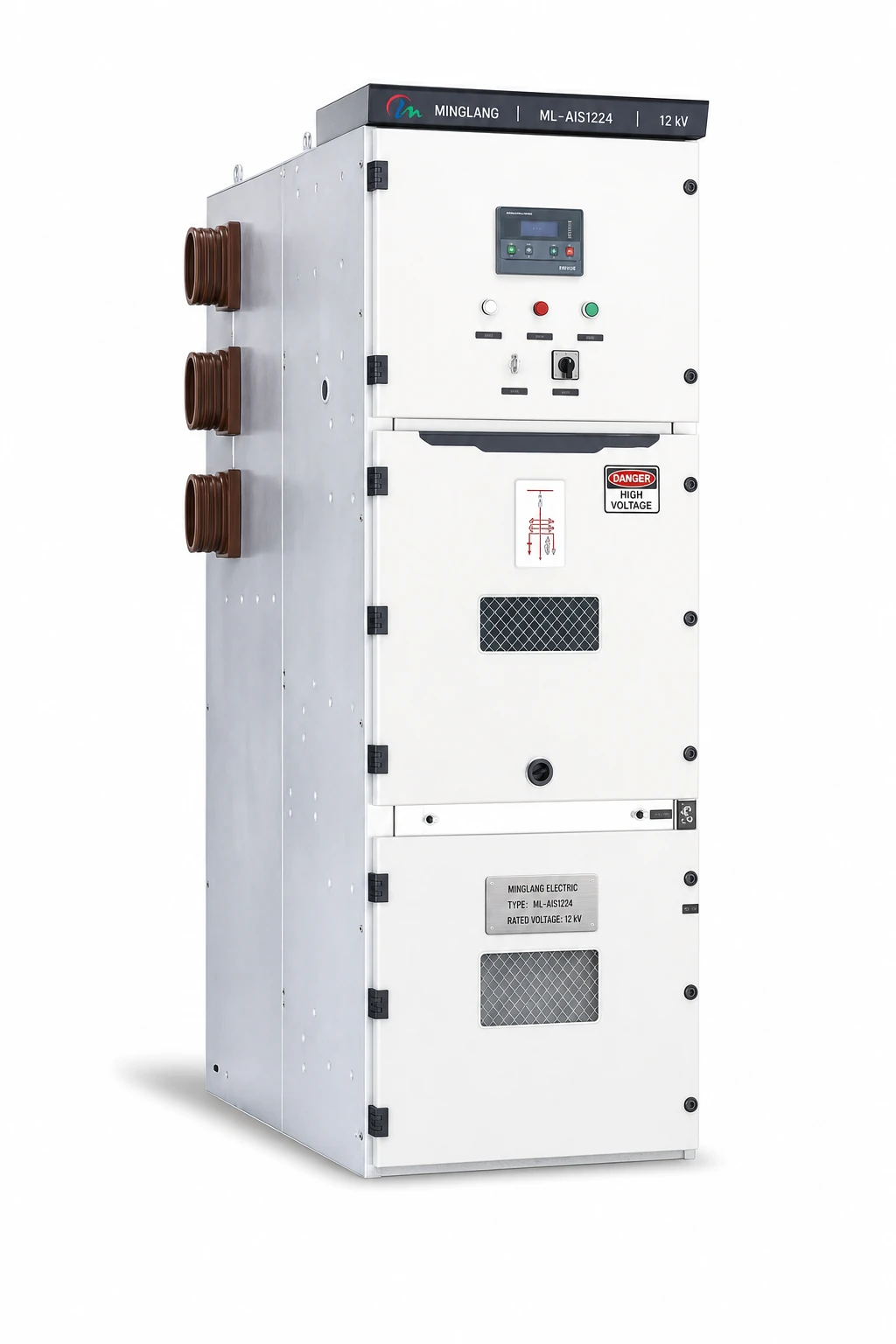
Primary distribution switchgear
View product →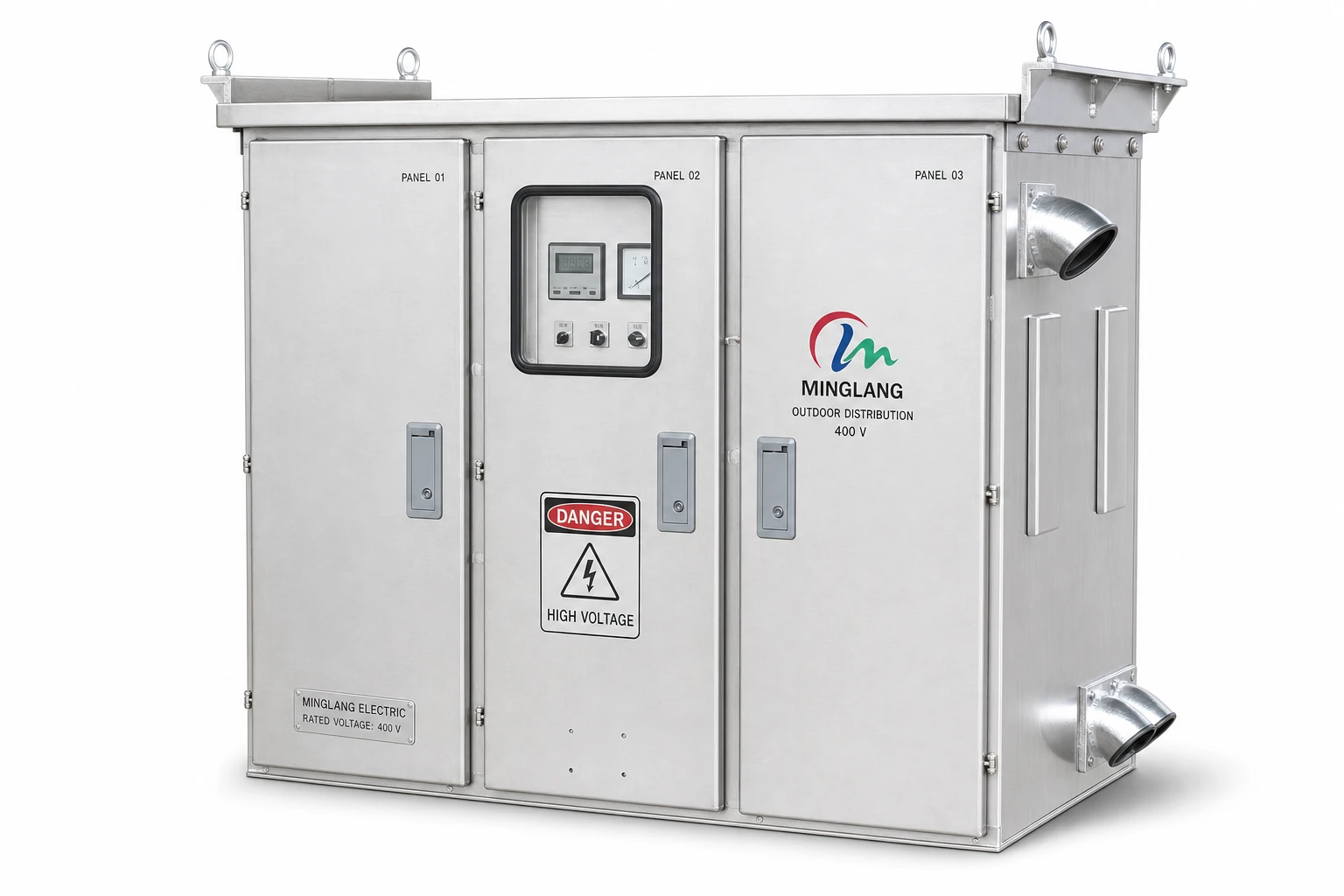
Metering and outdoor distribution
View product →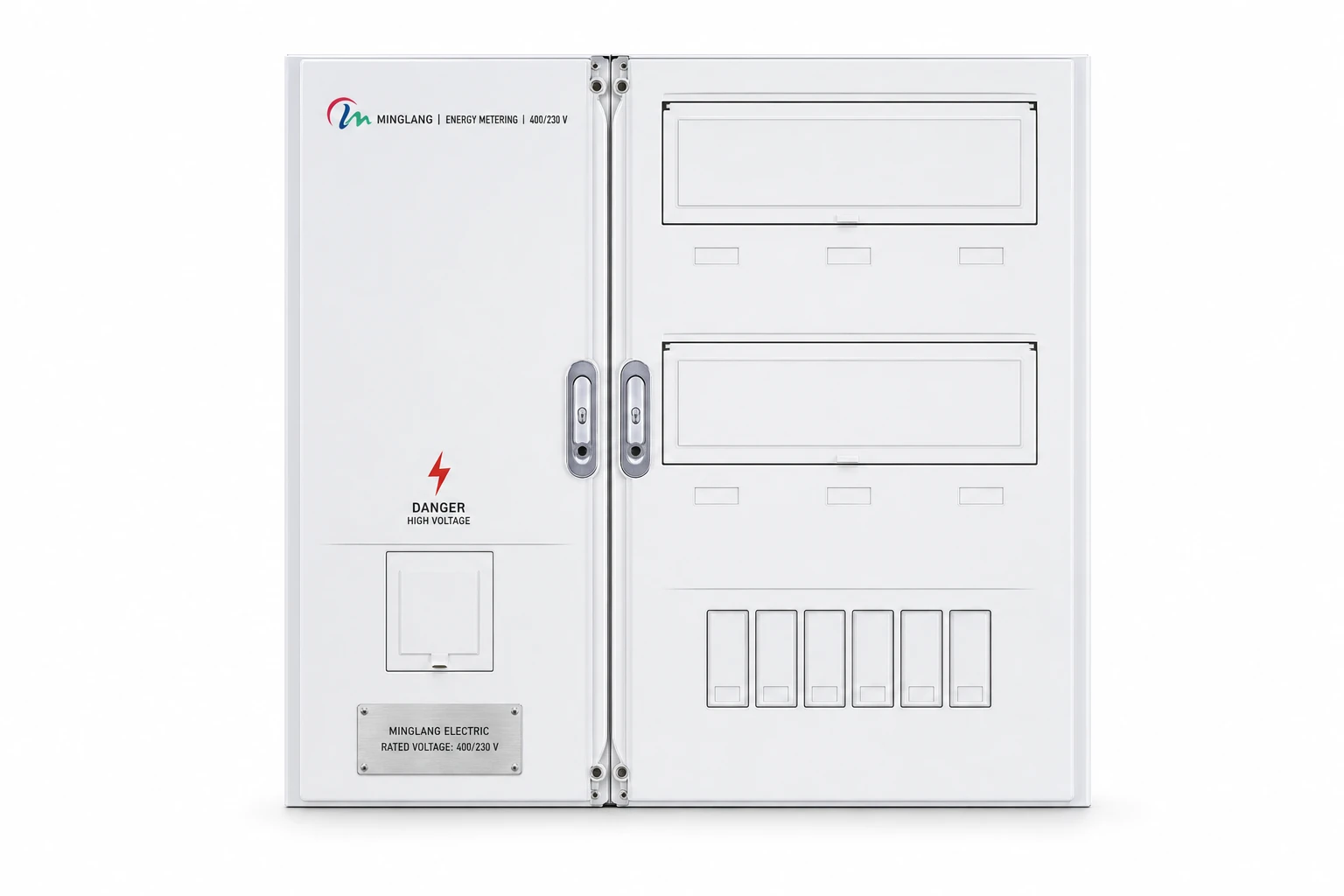
Metering and outdoor distribution
View product →