High connection counts
Multiple buildings, units or service points require clear feeder identification, metering boundaries and maintainable outgoing circuits.

Application guide
Outdoor distribution, multi-position metering and final distribution equipment for residential and urban networks.
Review recommended products
Application overview
Residential developments and urban-renewal projects require repeatable distribution arrangements, accessible metering and safe isolation close to end users. Equipment must suit the utility interface, outdoor exposure, maintenance practice and the number of service connections. Minglang provides outdoor distribution cabinets, multi-position metering enclosures and final distribution products for these project-defined schemes.
Typical electrical challenges
Multiple buildings, units or service points require clear feeder identification, metering boundaries and maintainable outgoing circuits.
Temperature, rain, dust, corrosion and public access influence enclosure, sealing, ventilation and locking requirements.
Standard arrangements improve consistency, while each site still needs confirmation of loading, cable routes and utility rules.
Urban redevelopment, electric mobility and changing household demand can increase feeder and distribution capacity needs.
Equipment selection considerations
Start with the single-line diagram, load schedule, fault study, site conditions and control philosophy. These inputs determine ratings, construction and interfaces.
Define ownership, metering, incoming protection, earthing and access responsibilities at each connection point.
Apply the project's approved diversity and growth assumptions when selecting busbars, feeders and spare ways.
Review material, IP requirement, corrosion exposure, ventilation and anti-tamper measures for each location.
Arrange main and outgoing devices so authorized personnel can identify and isolate circuits safely during maintenance.
Recommended Minglang products
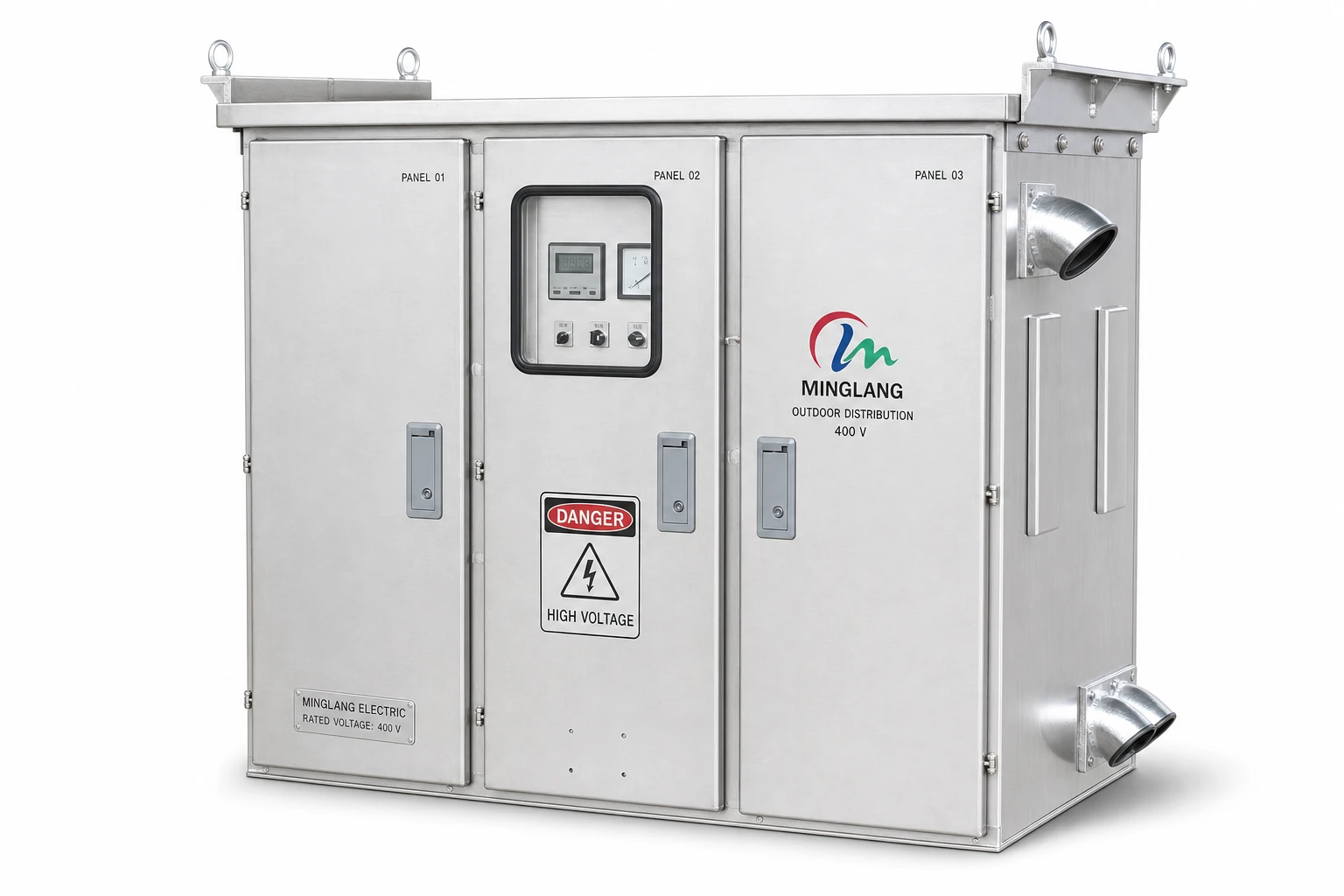
Metering and outdoor distribution
View product →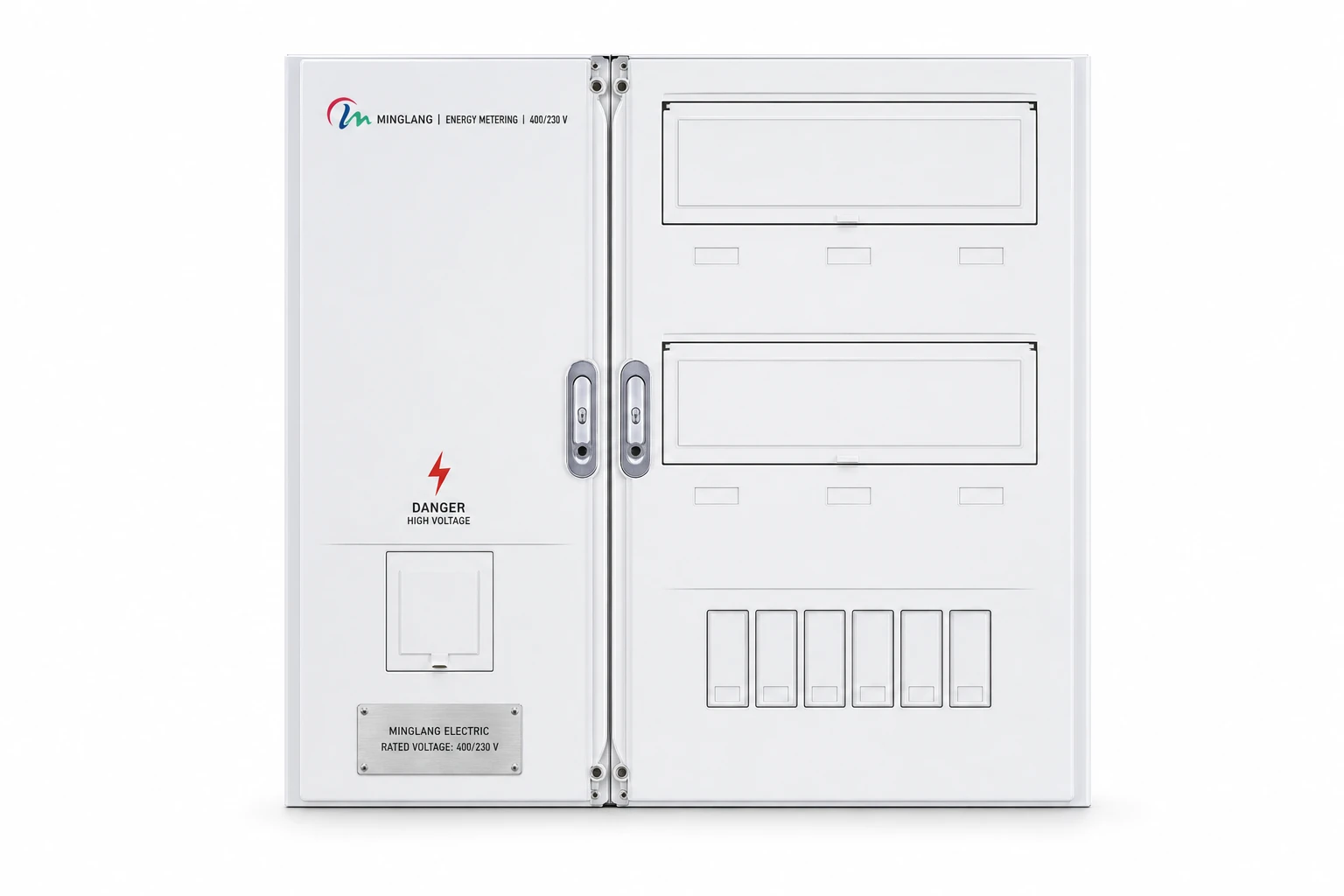
Metering and outdoor distribution
View product →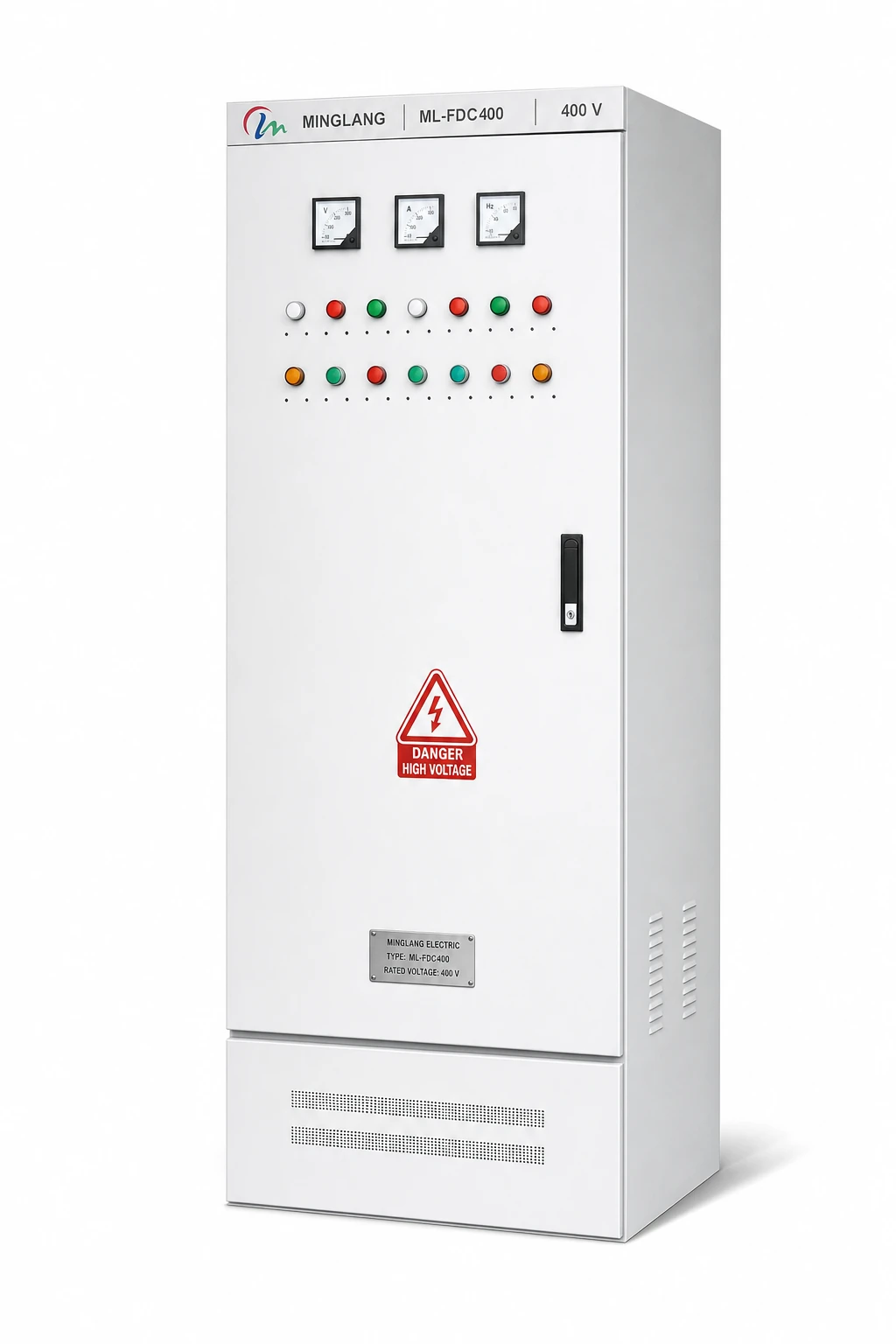
Final distribution
View product →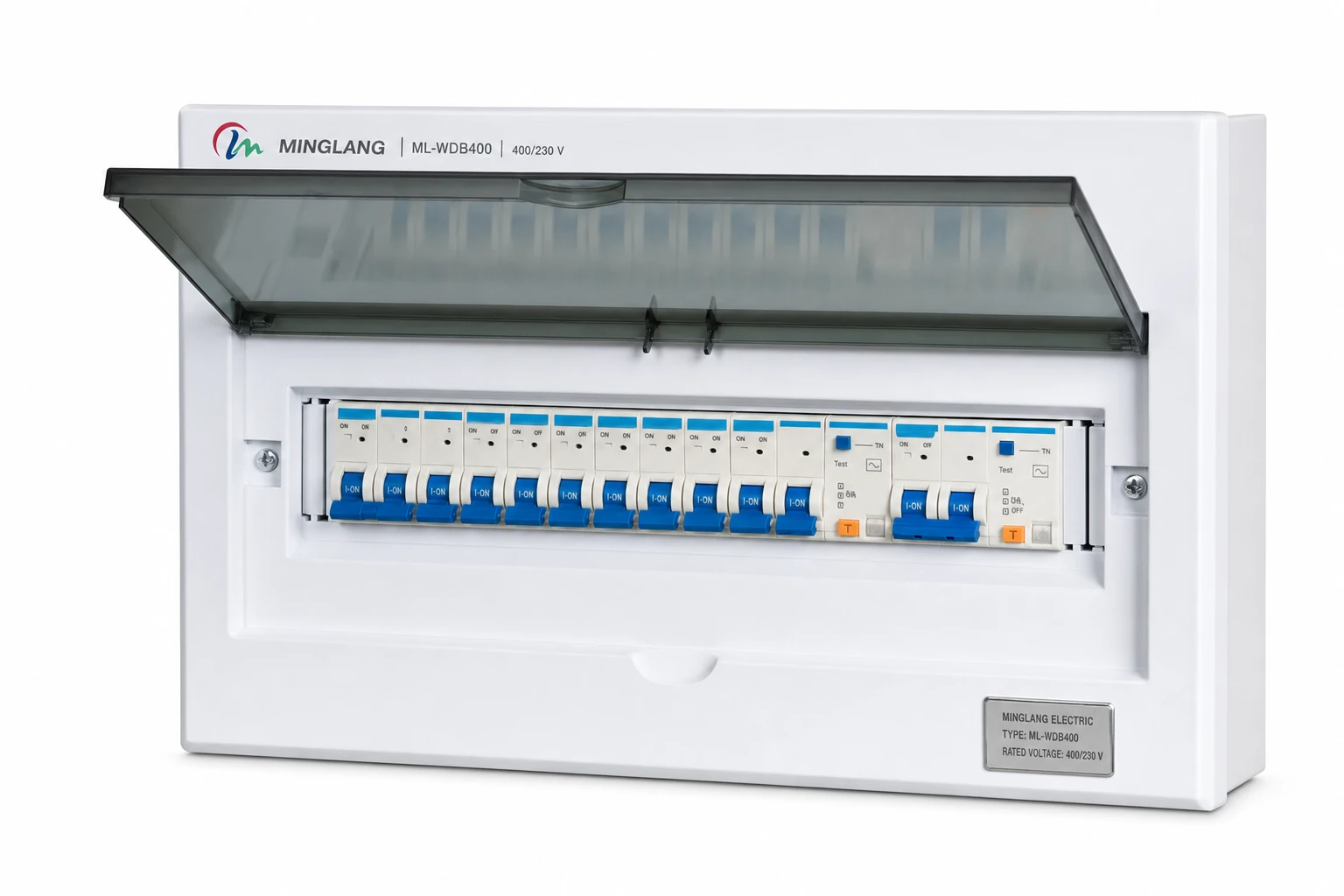
Final distribution
View product →