Critical auxiliary systems
Signalling, ventilation, drainage, lighting, communications and safety systems may require different continuity and restoration priorities.

Application guide
Power distribution for stations, depots, tunnels, transport hubs and other infrastructure with critical auxiliary loads.
Review recommended products
Application overview
Transport facilities combine public-facing services, life-safety systems, operational equipment and distributed auxiliary loads. Their switchgear must support clear source transfer, selective isolation, maintainable sections and coordinated remote monitoring. Minglang platforms cover primary MV distribution, standardized LV switchboards, automatic transfer and final distribution for project-defined infrastructure systems.
Typical electrical challenges
Signalling, ventilation, drainage, lighting, communications and safety systems may require different continuity and restoration priorities.
Utility incomers, standby generators and UPS-backed circuits need defined transfer and interlocking logic.
Long facilities and multiple technical rooms create cable-voltage-drop, coordination and maintainability challenges.
Access and shutdown periods may be short, so sectionalization and replaceable functional units can be important.
Equipment selection considerations
Start with the single-line diagram, load schedule, fault study, site conditions and control philosophy. These inputs determine ratings, construction and interfaces.
Group loads by permitted interruption time and restoration sequence before selecting transfer and backup arrangements.
Confirm source availability, neutral treatment, interlocks, delay settings and operating responsibility for automatic or manual transfer.
Panel depth, front access, cable routes, heat rejection and replacement paths must fit the actual technical-room layout.
Metering, alarms, breaker status and communication interfaces should match the infrastructure control-system architecture.
Recommended Minglang products
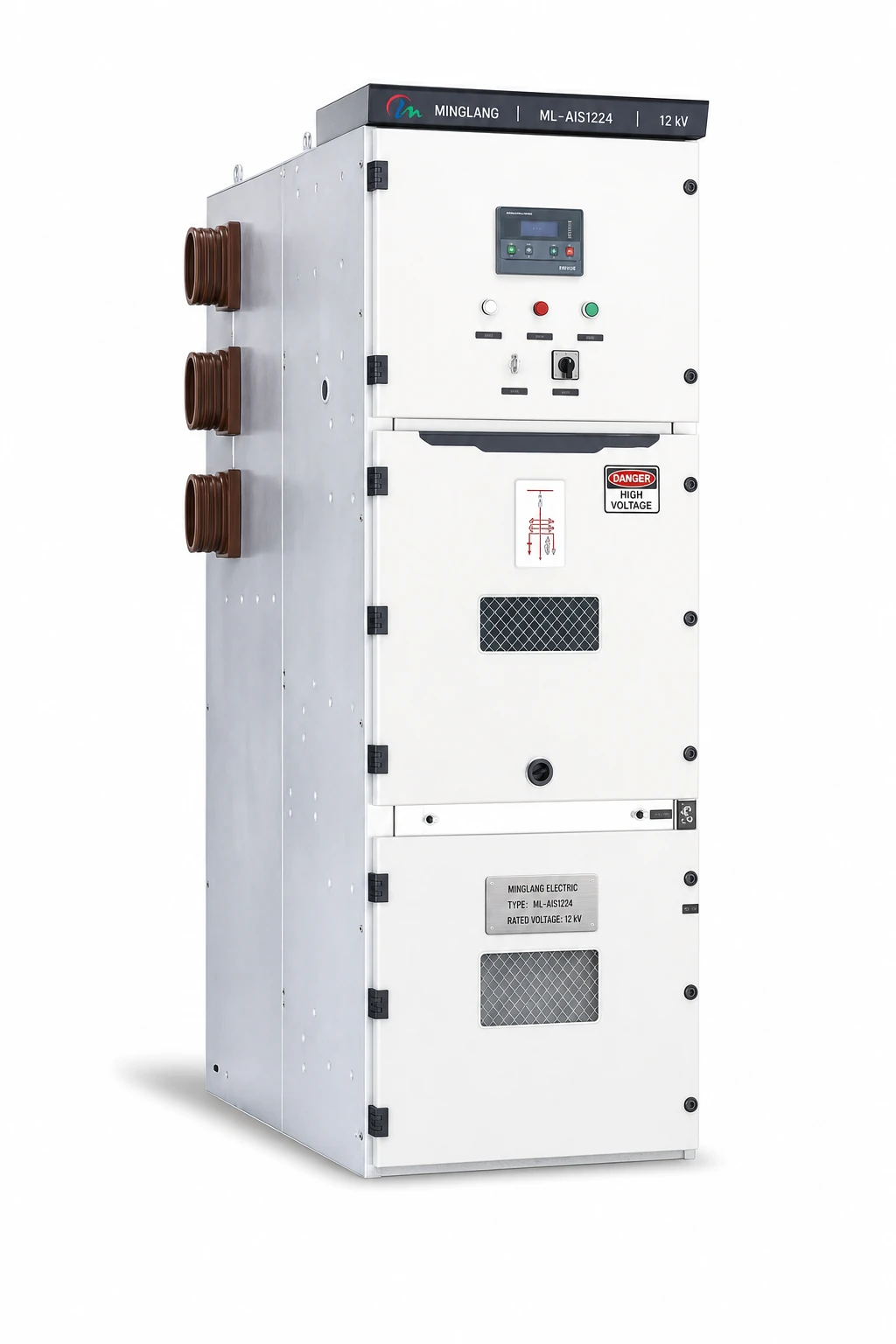
Primary distribution switchgear
View product →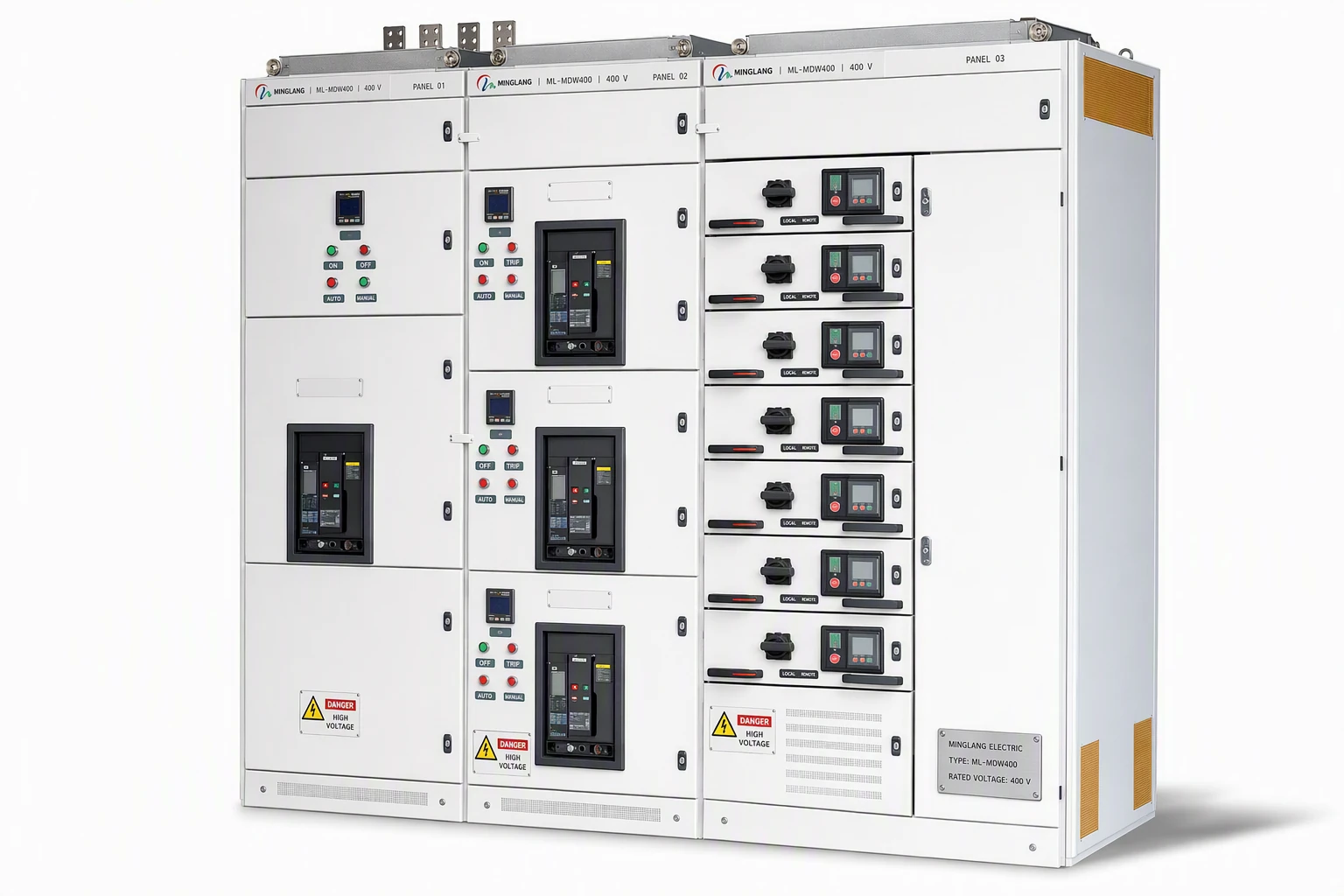
Low-voltage main distribution
View product →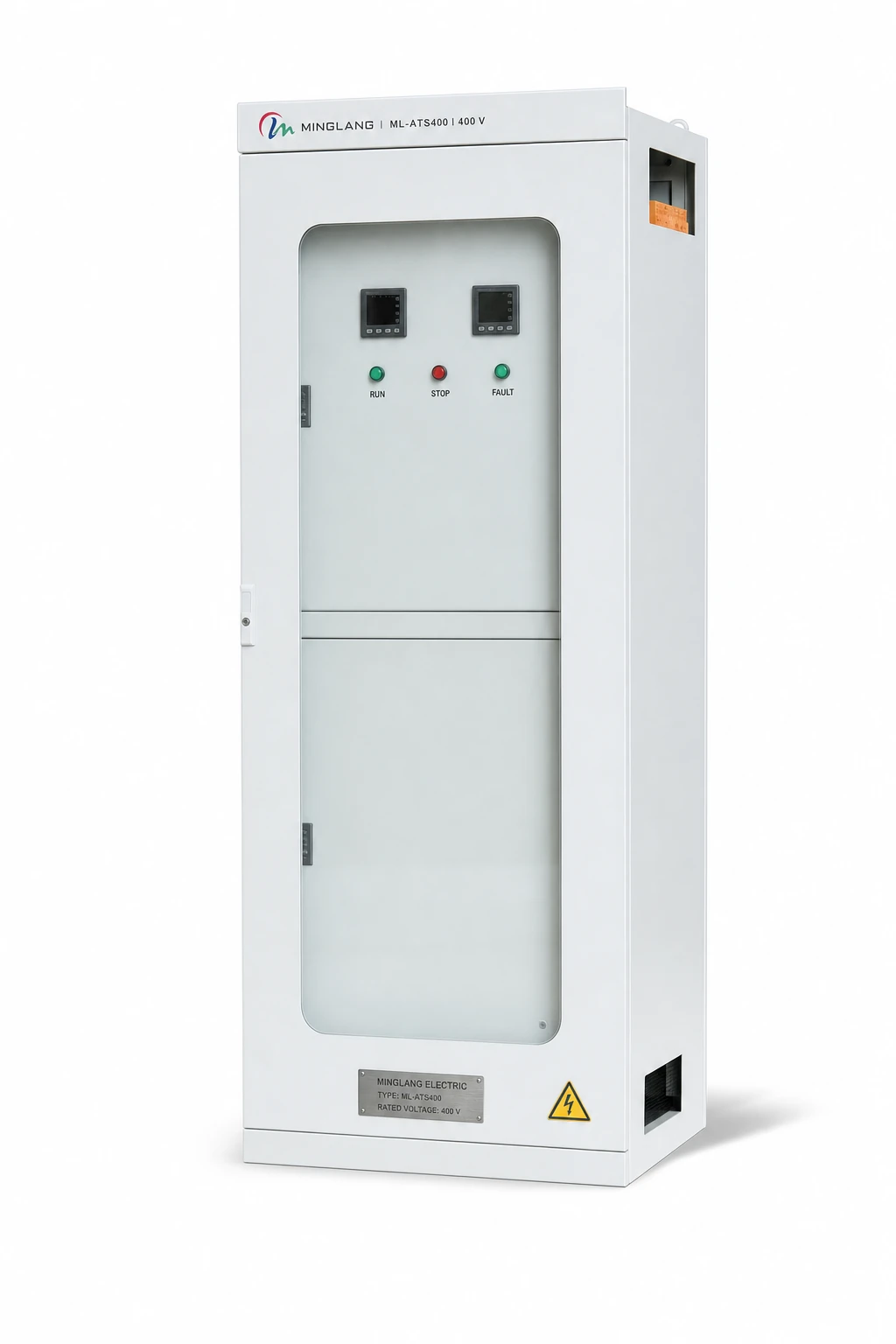
Power quality and control
View product →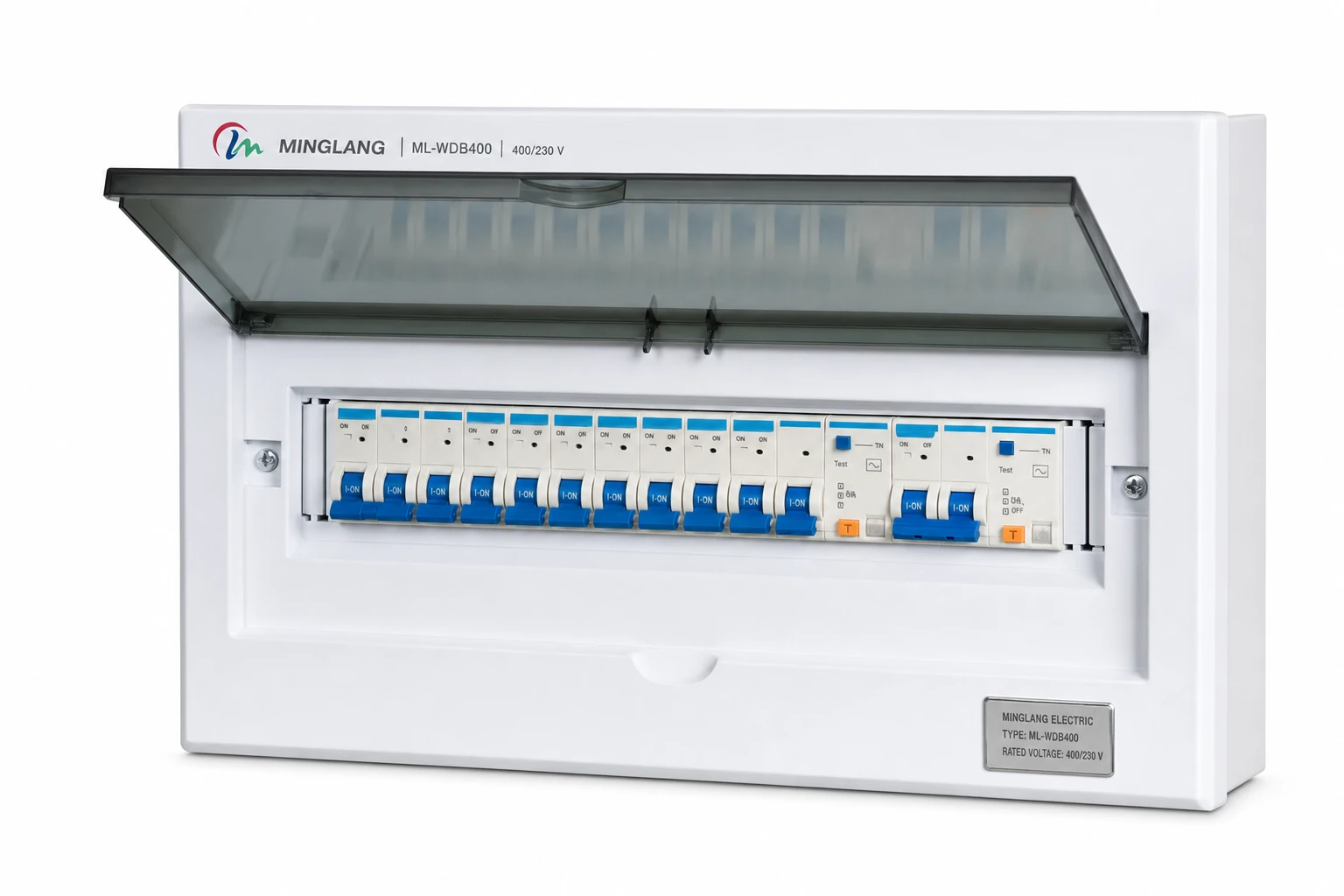
Final distribution
View product →