Variable power flow
Generation and storage operating modes can change current direction, loading and switching frequency across the collection system.

Application guide
Distribution platforms for solar, wind and battery-energy-storage projects, including MV collection and LV auxiliary systems.
Review recommended products
Application overview
Renewable-energy and battery-storage sites combine converter-based generation, transformers, MV collection, auxiliary distribution and monitoring systems. The electrical architecture must support variable operating states, planned isolation and reliable auxiliary power. Minglang product platforms can be selected for collection switchgear, LV main distribution, fixed distribution, reactive-power control and busbar connections after the project ratings and interfaces are confirmed.
Typical electrical challenges
Generation and storage operating modes can change current direction, loading and switching frequency across the collection system.
Protection, cooling, fire systems, controls and communications depend on stable auxiliary distribution during normal and abnormal conditions.
Inverter characteristics and harmonic studies may affect busbar ratings, reactive-power equipment and protection settings.
Long cable routes and multiple transformer or inverter blocks require clear sectioning, identification and expansion planning.
Equipment selection considerations
Start with the single-line diagram, load schedule, fault study, site conditions and control philosophy. These inputs determine ratings, construction and interfaces.
Document import, export, charging, discharging, islanded and maintenance states that affect switching and protection logic.
Confirm winding arrangement, earthing, inrush, cable terminations and protection zones at every MV/LV boundary.
Use the project harmonic and reactive-power studies to select compensation, filtering and equipment thermal margins.
Separate essential loads and define transfer, backup and restoration arrangements for controls, cooling and safety systems.
Recommended Minglang products
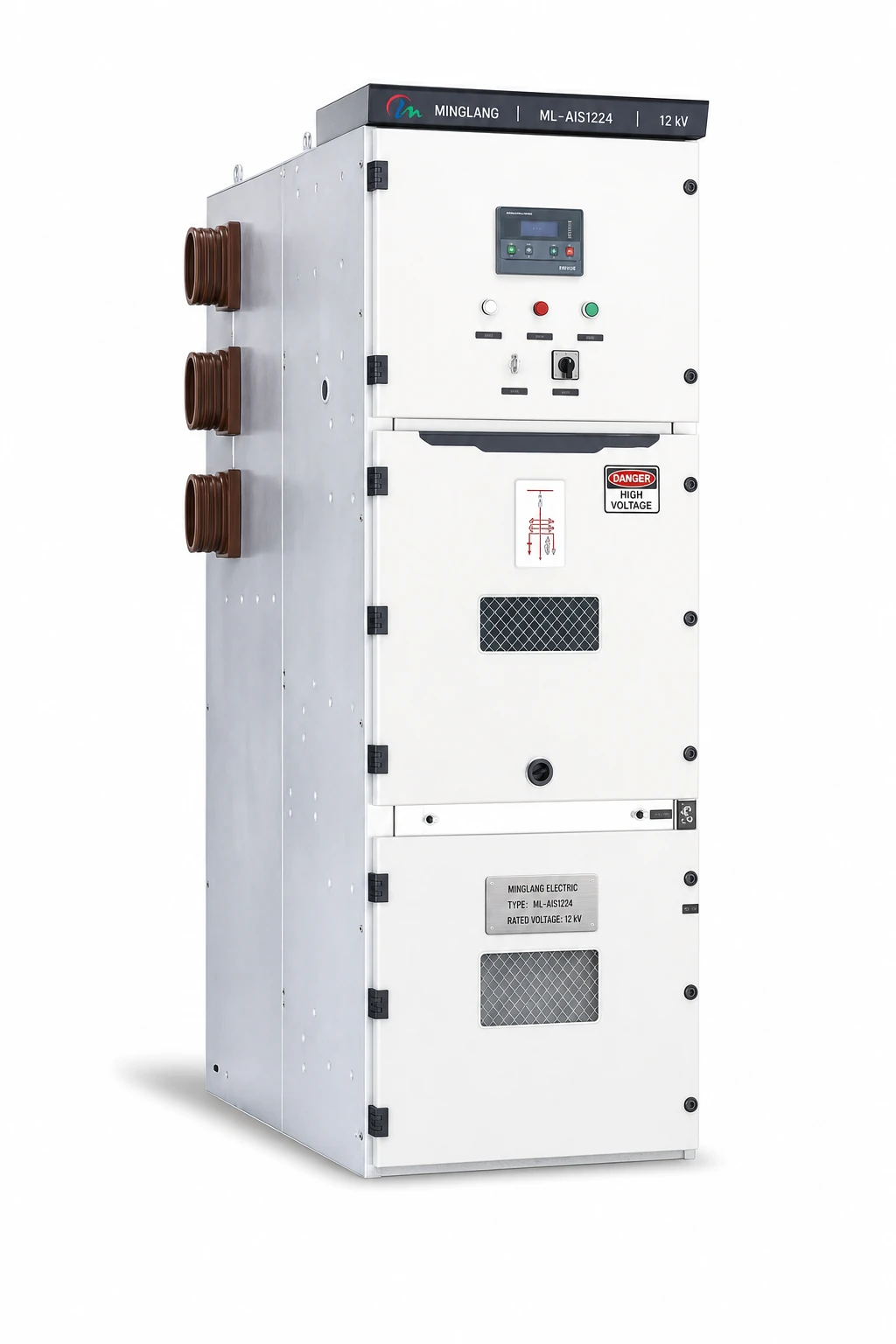
Primary distribution switchgear
View product →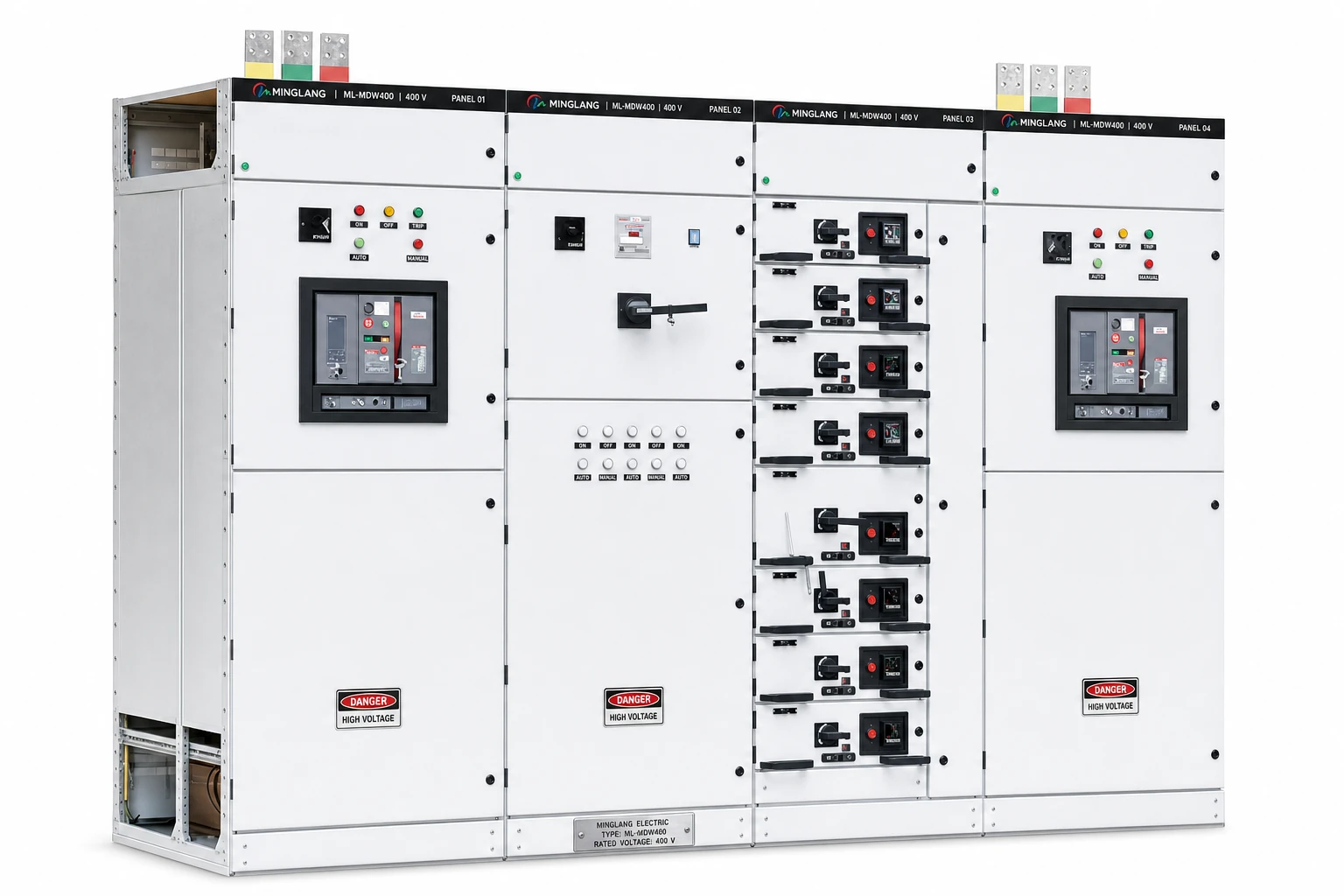
Low-voltage main distribution
View product →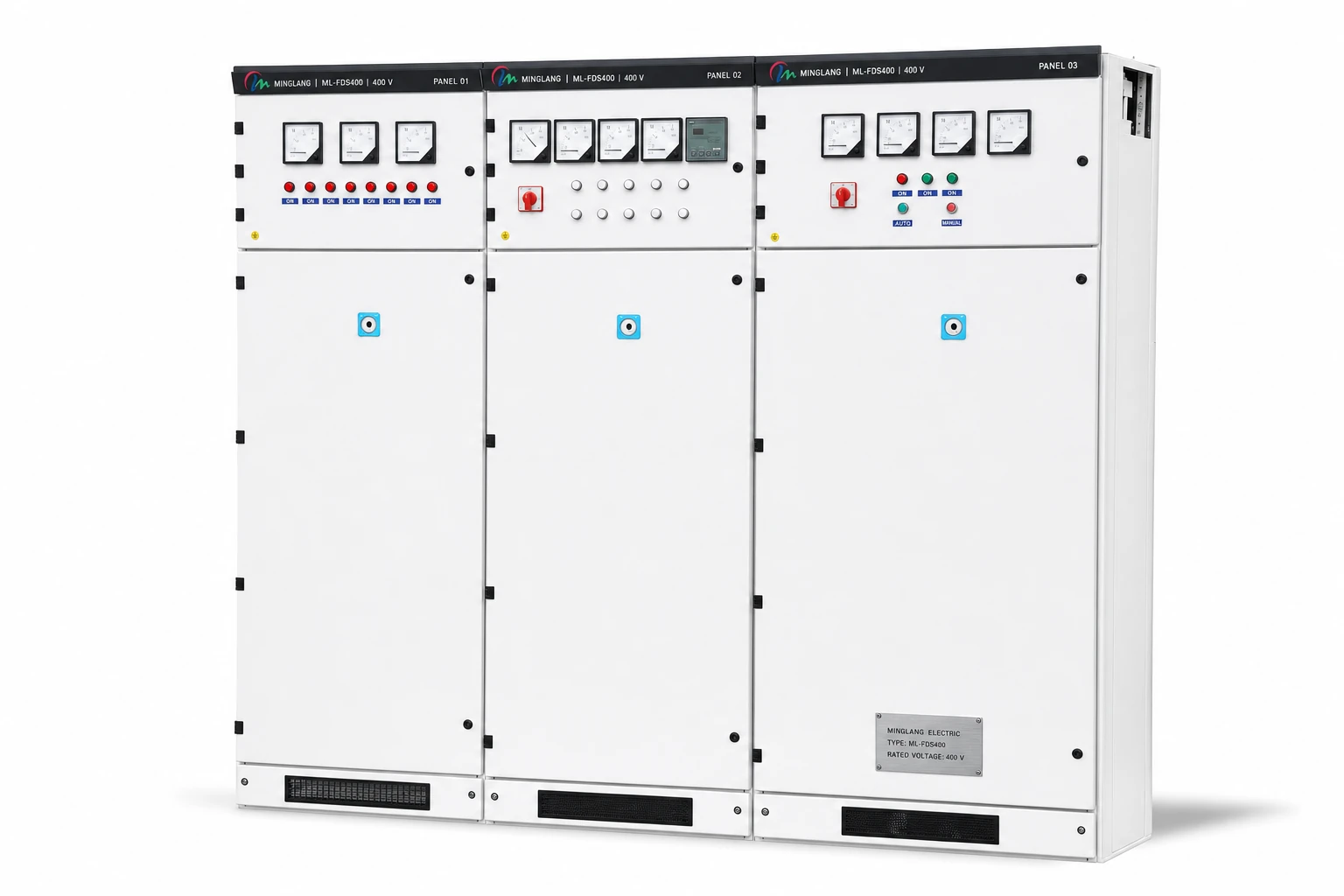
Low-voltage main distribution
View product →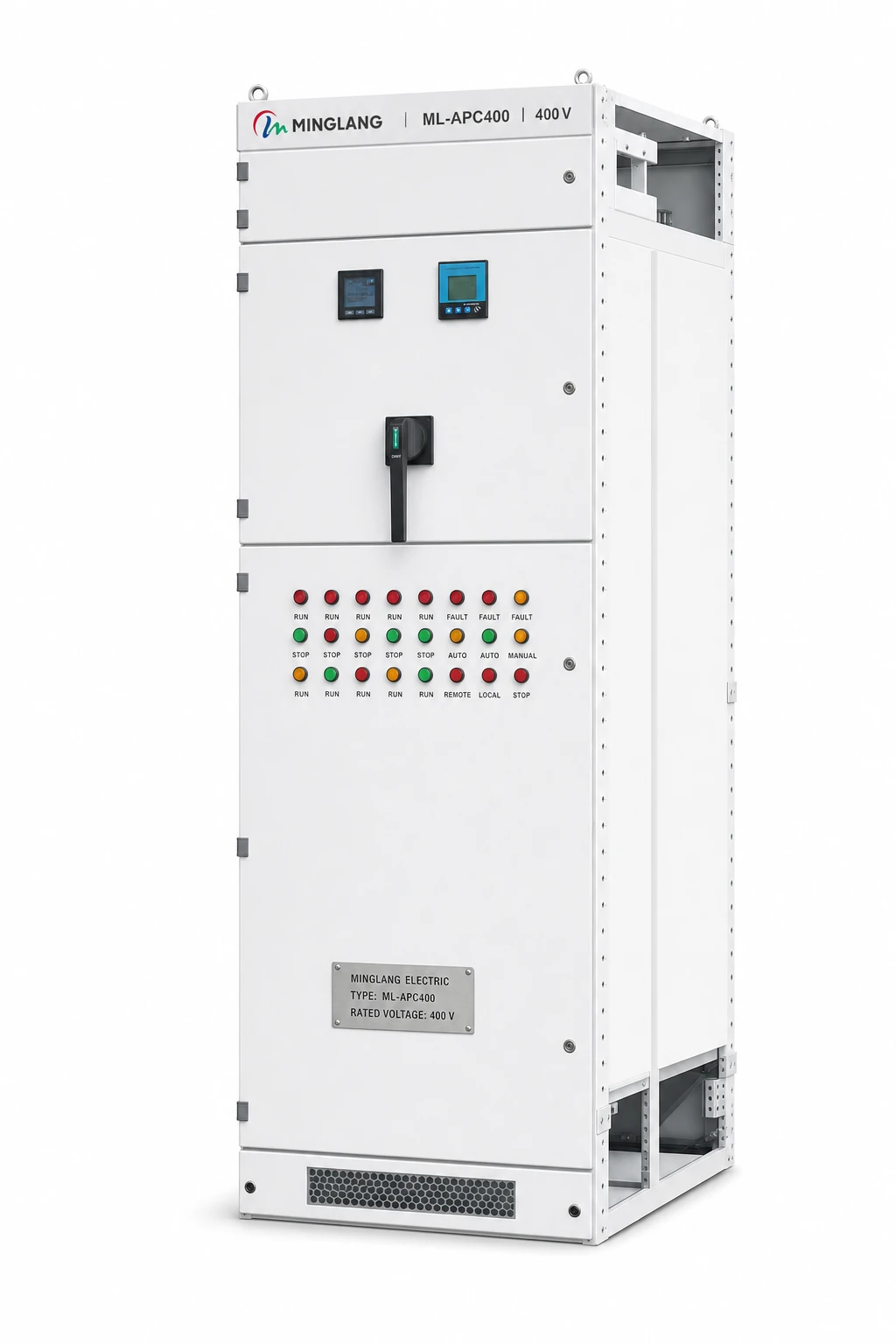
Power quality and control
View product →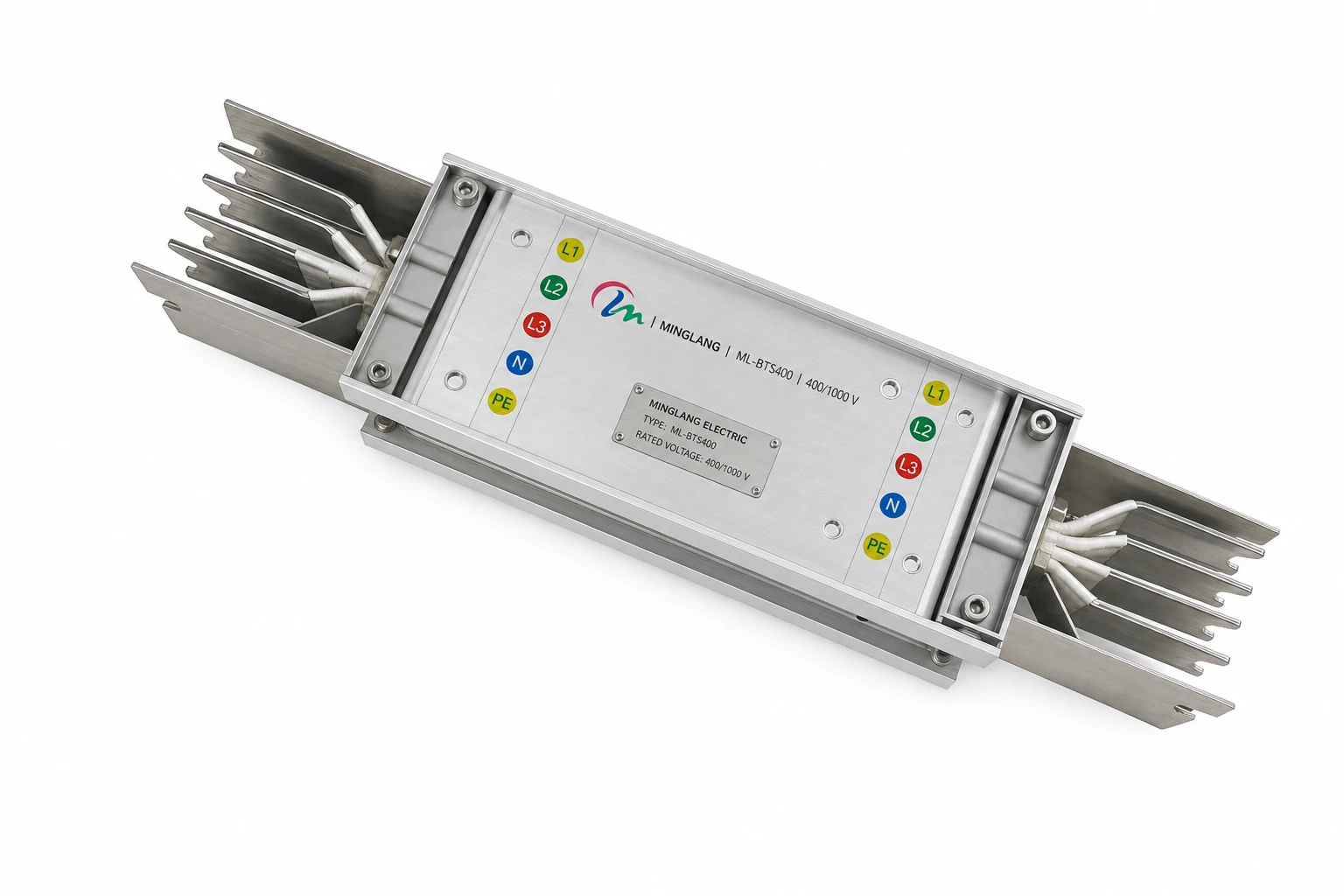
Busway systems
View product →